
Europe’s Window of Opportunity
Could 2026 be Europe’s year?
The age of globalization is over. War, great-power rivalry, and nationalism are back. The economy is no longer neutral for markets, companies, or entrepreneurs. Geocapitalism reveals an era in which economic development is shaped — and constrained — by geopolitics.
The age of geo-economics rests on hard power and national emotions. States are reclaiming their role as economic planners, protectors, and strategists. Trade becomes security, capital is politicized, technology is weaponized. Supply chains become instruments of power. Markets no longer float above politics; they are anchored in it.
In both democratic and authoritarian countries, sovereignty, resilience, and dominance increasingly dictate economic direction. Capitalism is no longer shielded from geopolitics. It merges with it, is subordinated to it, absorbed into it, or mobilized for it. Companies are drawn into geopolitical competition — as national champions, strategic assets, or vulnerable links.
Globalization promised that economics would tame geopolitics.
Geocapitalism begins where geopolitics tames economics.
Could 2026 be Europe’s year?
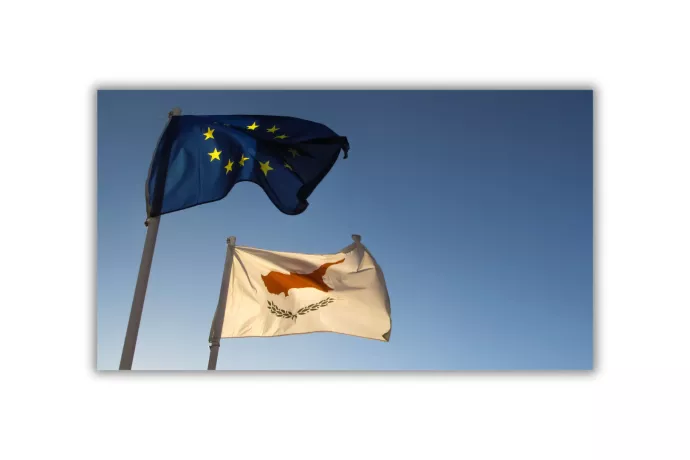
Last week’s European summit was, as previous summits before it, dominated by the geopolitical travails of the European Union.

The curse of Donald Trump has not failed to make its mark. After Anthony Albanese in Australia and Mark Carney in Canada, Péter Magyar wins elections in Hungary despite the open support of the American president for his opponent.

2025: soon as far from 2000 as from 2050! What are the inflection points and future questions on the road to 2050? Marc De Vos wrote his opinion on this in a short essay. Many questions that Itinera is deeply concerned with and on which it tries to exert impact on the possible answers.