Etienne de Callataÿ
Visiting fellow

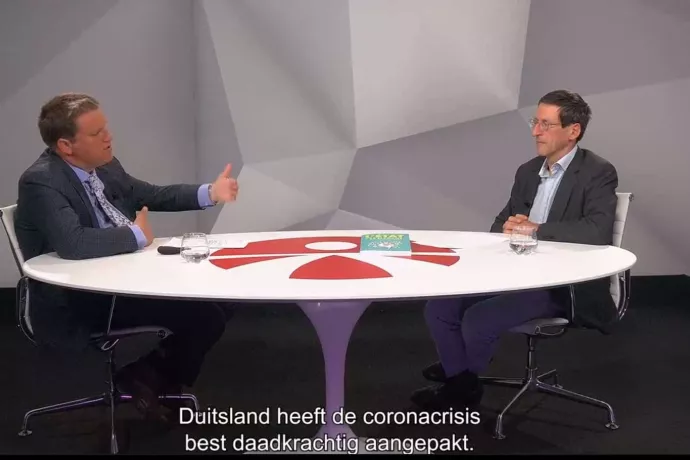
L'État peut-il et doit-il jouer un rôle dans la transformation de l'économie ? Nos dirigeants politiques connaissent-ils encore le rôle de l'État ? Savent-ils toujours jusqu'où s'étendent leurs responsabilités ? Quels aspects est-il préférable de laisser à la dynamique du marché ?

Etienne de Callataÿ analyses the socio economic facilities in our country. On many domaines, Belgium has made different choices than its most important trade partners.

There’s a difference between the principle declaration of the European government and the political acts. This difference is also been perceived in Belgium were we don’t hesitate to make choices of which we know that they are disadvantageous for our partners in the EU.

The federal government has announced a new tax for trading partnerships, wrongfully named the ‘fairness tax’. The economic and political incentives for a minimum tax are understandable, but the measures that the government announces, raises several questions.
Etienne de Callataÿ notes that there is a crack in the coherence of the Troïka. Because of the fact that the ECB, the IMF and the European Commission display their differences, there is a negative impact on confidence.

Itinera organized for the first time the Itinera Summer Seminar. Around forty promising professionals coming from various horizons discussed the budgetary challenge, the impact of ageing on pensions and healthcare, and a sustainable Belgian energy policy.

Etienne de Callataÿ states that rather than to go for monetary unions exclusively containing homogeneous countries, we have no other choice than to take up the challenge of more convergence within Europe.

First there is a need for a better timing of the austerity and more forcefull reforms. Next the international Diktat has to gain approval of the population who is conscious of the injustices and knows the status quo is not an option.

The intervention of the European commission is to be considered a sign of progress on the road towards European integration and a positive consequence of the current crisis.

Etienne de Callataÿ explains the economic fundamentals which lie at the basis of the euro crisis. He then details the consequences this crisis could have and possible solutions we could reach.